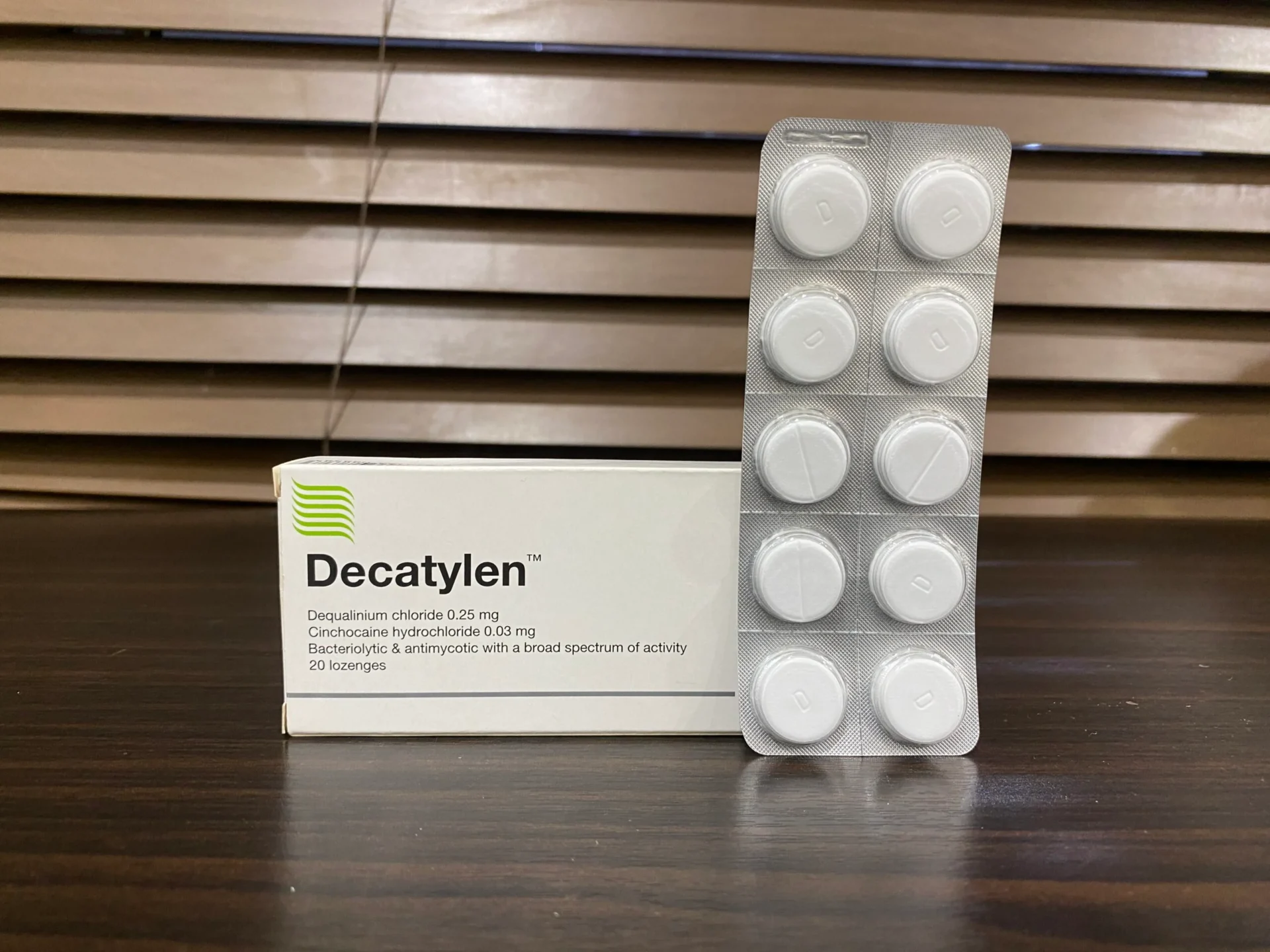
Decatylen lozenge contains dequalinium chloride and cinchocaine to kill bacteria/fungi and relieve throat pain. Used for inflamed mouth/throat infections (e.g., tonsillitis, oral thrush) by slowly dissolving a lozenge every 2 hrs in acute phase, then every 4 hrs. Not for children under 4 or those allergic; stop if no improvement after 7 days.
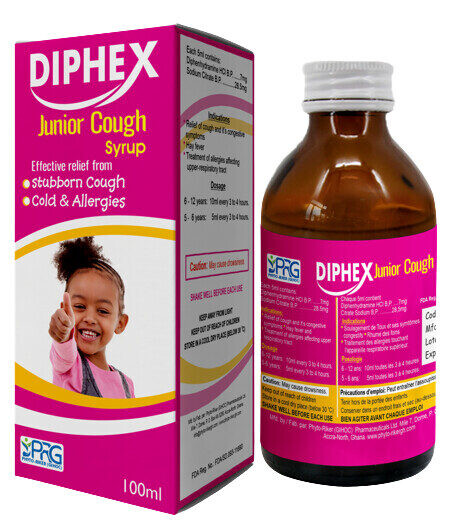
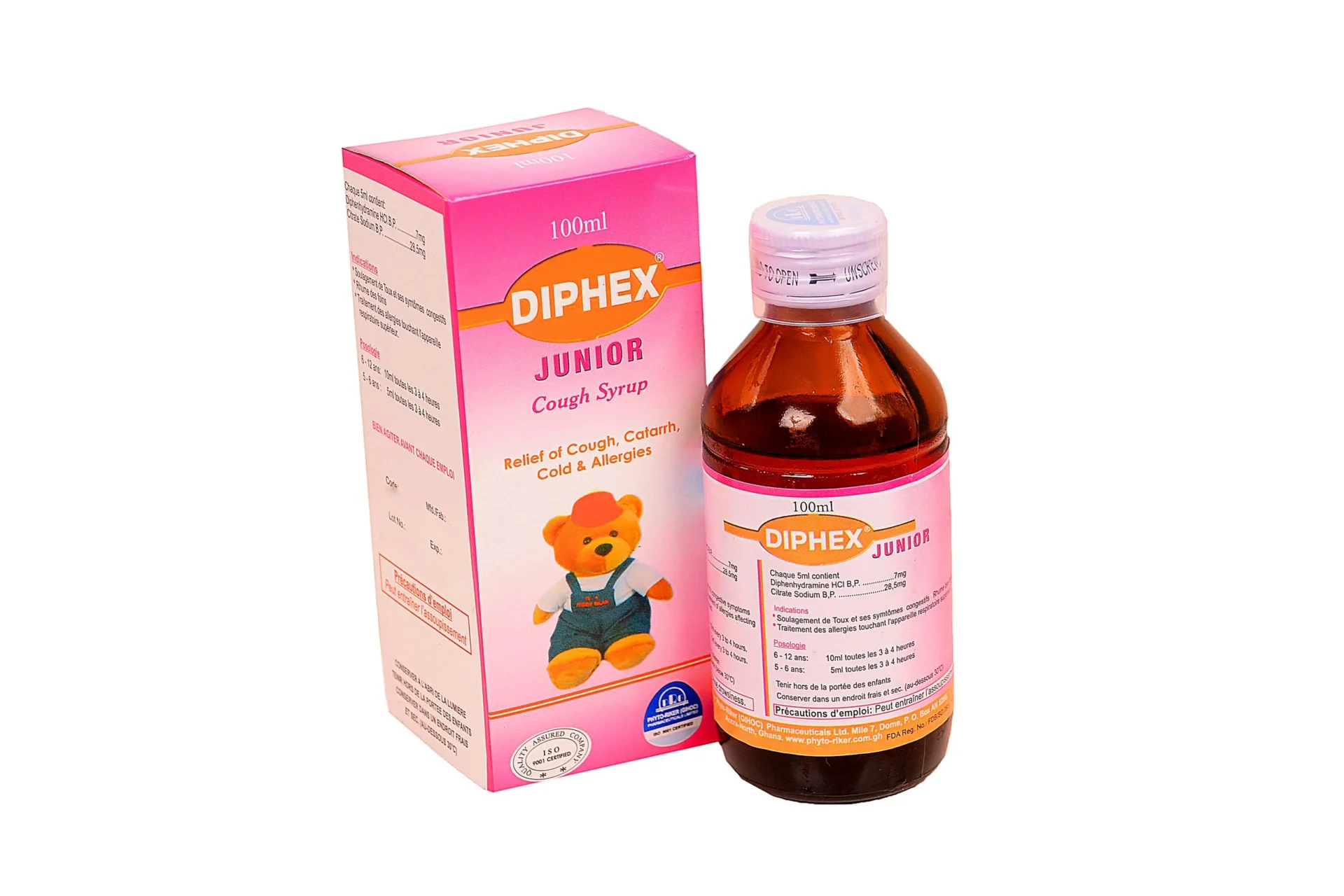
Diphex Adult Expectorant Syrup relieves chesty coughs, nasal congestion, and throat irritation. It combines diphenhydramine (antihistamine), ammonium chloride (expectorant), and menthol (soothing agent). Take 10–20 mL 3–4 times daily; may cause drowsiness—avoid alcohol or driving.
Diphex Junior Expectorant is a children’s cough syrup formulated to relieve productive (wet) cough by loosening mucus. It typically contains guaifenesin (expectorant) and sometimes mild bronchodilators or antihistamines, depending on the brand. It helps clear chest congestion and ease breathing; dose is based on age—always follow label or doctor’s instructions.
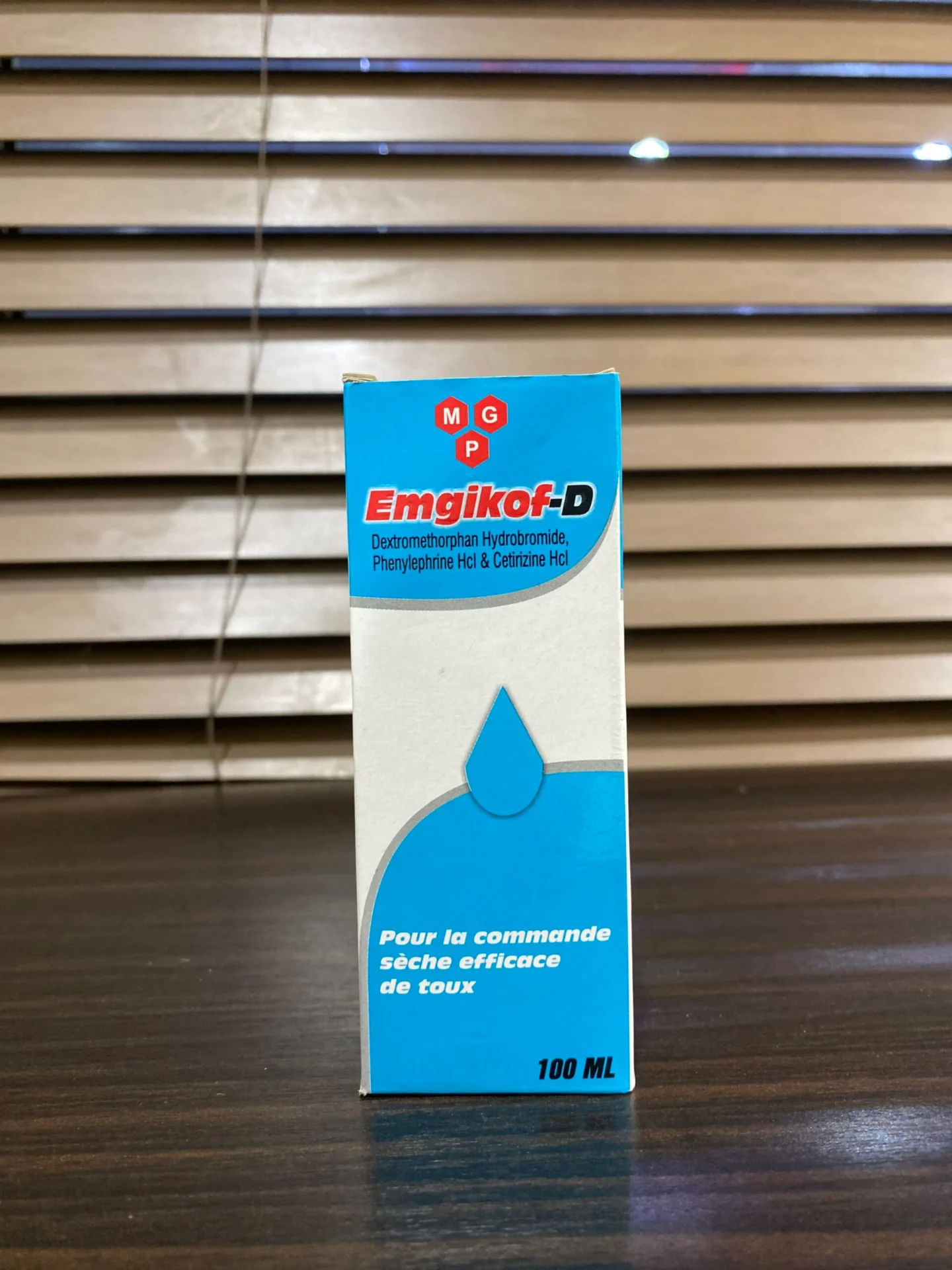
Emgikof-S Syrup is used for chesty, productive coughs and contains bromhexine, guaifenesin, and pseudoephedrine. Emgikof-D Syrup treats dry cough, cold, and nasal congestion with dextromethorphan, chlorpheniramine, and phenylephrine. Both are 100 mL syrups; adult dose is 10–20 mL three times daily.
Ephedrine Drops are a topical decongestant solution typically containing 0.25–0.5 % ephedrine in buffered saline for nasal or ocular use. They work within minutes to relieve nose or eye congestion and redness, with effects lasting 4–6 hours. Recommended dosage is 1–2 drops per nostril or eye, 3–4 times daily for up to 7 consecutive days; prolonged use may cause rebound congestion or irritation.
Fisherman’s Friend lozenges offer strong menthol and eucalyptus relief for coughs, sore throats, and nasal congestion. They come in multiple flavors, both sugar and sugar-free, and are effective for quick respiratory soothing. The brand has been trusted since 1865 and remains a popular choice worldwide.
Flemex Adult Syrup is a carbocisteine-based mucolytic used to thin thick mucus in respiratory conditions like COPD and colds. Typical adult dose is 15 ml three times daily, tapered as symptoms improve, and it aids in easing breathing and clearing airways. Common side effects are mild GI upset and occasional headache; do not use with peptic ulcers or concurrent cough suppressants.
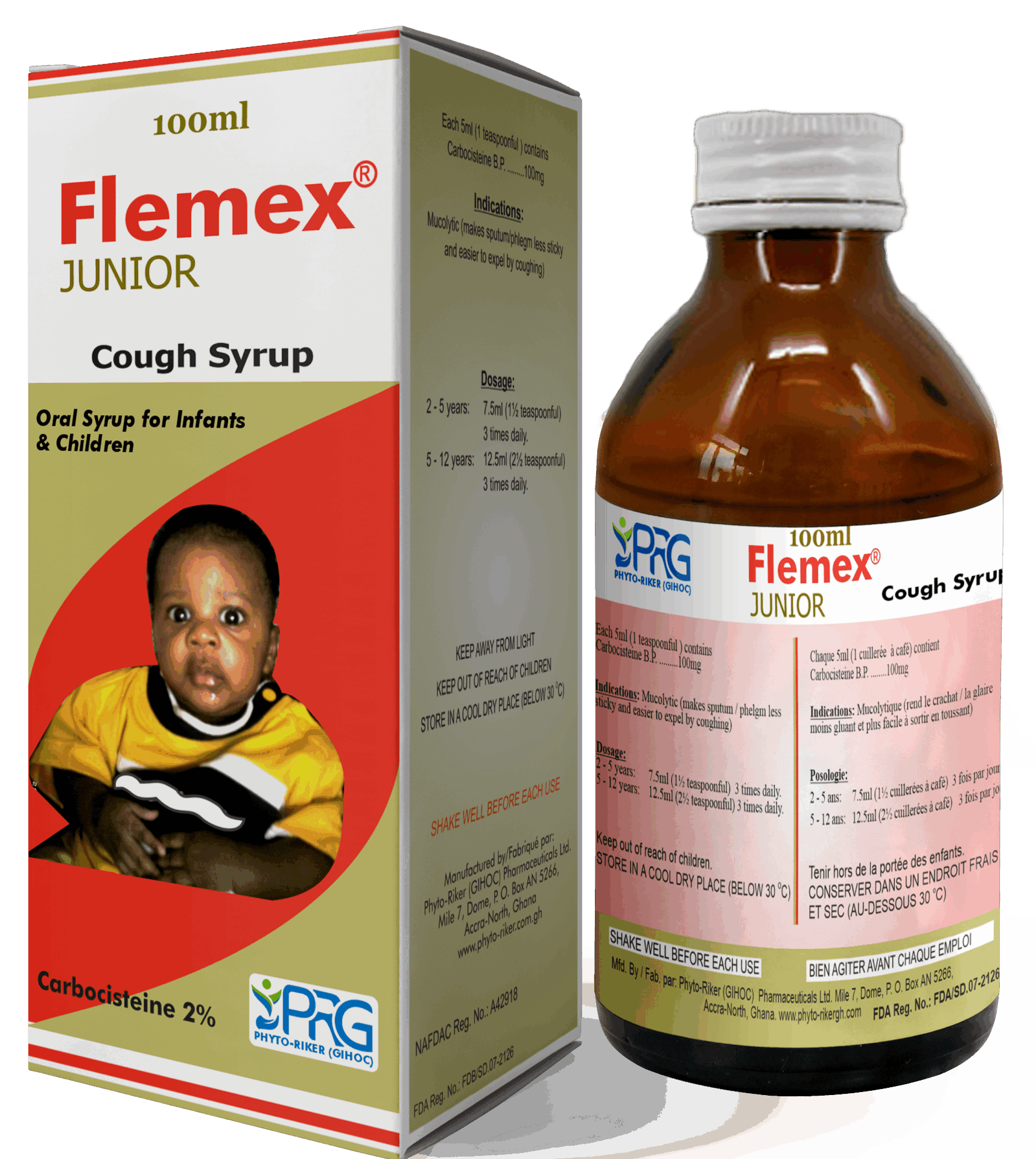
Flemex Junior Syrup is a carbocisteine-based mucolytic used to loosen thick mucus in children aged 2–6. Typical dosing is 7.5–12.5 mL three times daily, depending on age. Side effects are mild and rare, but avoid in peptic ulcers and don’t combine with cough suppressants.
Flucor Day Capsule is a non-drowsy cold and flu remedy used to relieve fever, cough, congestion, and body aches. It combines paracetamol (pain/fever), pseudoephedrine (decongestant), and dextromethorphan (cough suppressant). It should be taken every 4–6 hours and avoided by those with heart conditions or using antidepressant.
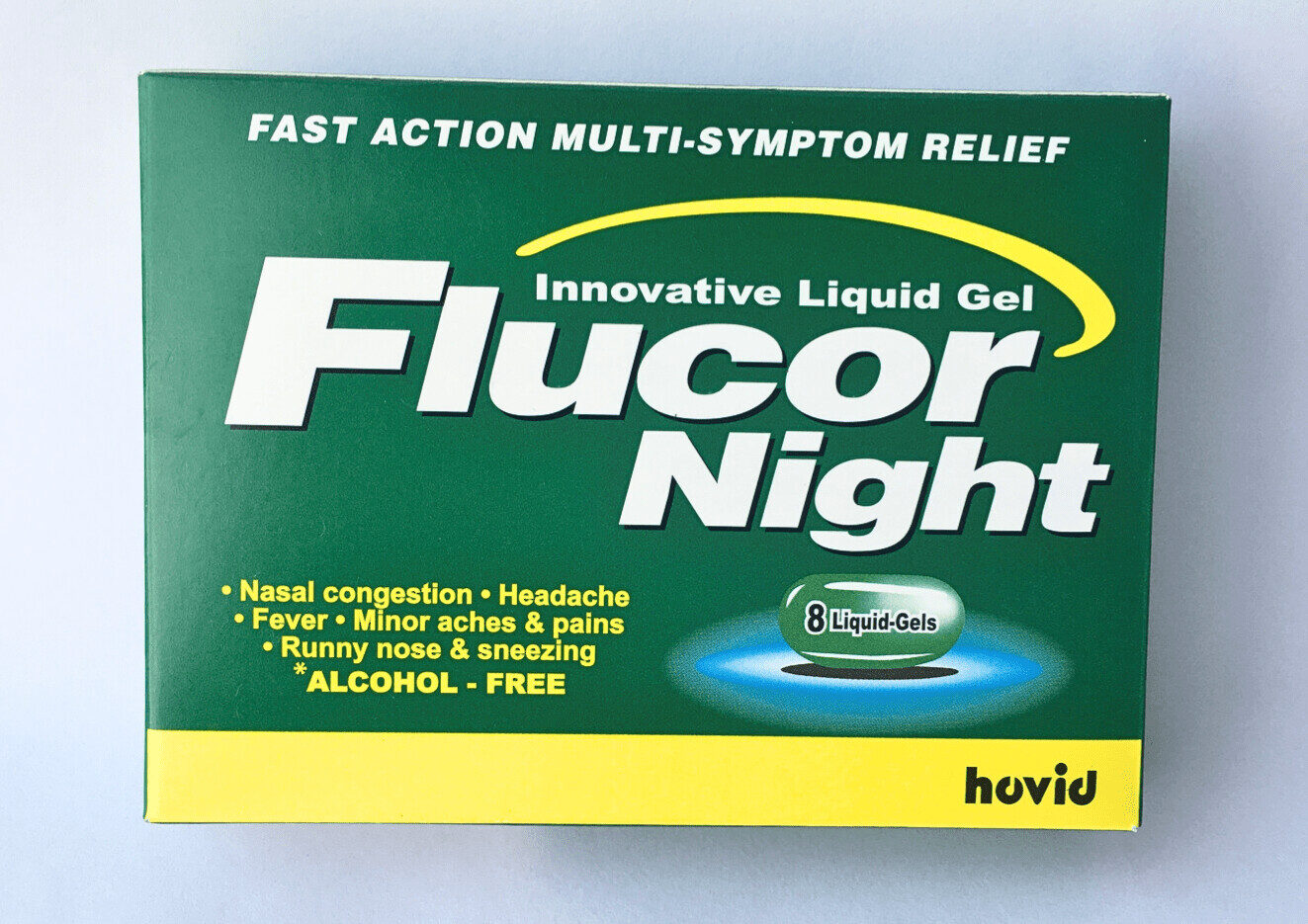
Flucor Day Capsule is a non-drowsy cold and flu remedy used to relieve fever, cough, congestion, and body aches. It combines paracetamol (pain/fever), pseudoephedrine (decongestant), and dextromethorphan (cough suppressant). It should be taken every 4–6 hours and avoided by those with heart conditions or using antidepressants.
Flurest Tablets combine paracetamol, a decongestant, an antihistamine, and caffeine to relieve multiple cold and flu symptoms, taken up to 4 times daily for a maximum of 5–7 days. They are not suitable for children under 6–12 years or individuals with hypertension, heart disease, glaucoma, urinary retention, or those on MAO inhibitors. Common side effects include drowsiness, dry mouth, and dizziness; overdose risks include liver damage from paracetamol or cardiovascular issues from stimulants.
Fricks Lozenges are soothing herbal tablets used to relieve sore throat, cough, and minor throat irritation. They contain menthol, eucalyptus oil, and natural extracts that provide a cooling and calming effect. Available in various flavors, they are taken every 2–3 hours but should not exceed 6 lozenges daily.
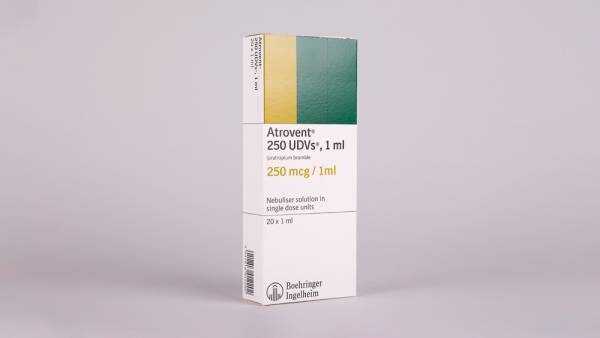
Ipratropium Nebules 250 mcg is an inhaled bronchodilator used via nebulizer to treat COPD and acute asthma attacks. It helps open airways by relaxing bronchial muscles and is often combined with salbutamol for stronger relief. Common side effects include dry mouth, cough, and dizziness; avoid contact with the eyes, especially in glaucoma patients.
Jet 2 Inhaler contains menthol, a fast-acting bronchodilator used to relieve asthma or COPD-related breathing difficulties. It works by relaxing airway muscles to improve airflow. Common side effects include tremors, fast heartbeat, and nervousness.
In order to provide you a personalized shopping experience, our site uses cookies. By continuing to use this site, you are agreeing to our cookie policy.