

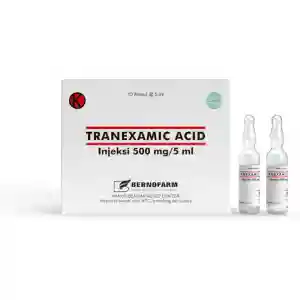
Tranexamic Acid Injection
- Estimated Delivery : Up to 4 business days
- Free Shipping & Returns : On all orders over $200
Form: Injectable solution (IV or IM use)
Uses:
Tranexamic acid injection is used to treat or prevent excessive bleeding in conditions such as:
-
Surgical bleeding (e.g., cardiac, orthopedic, dental, gynecological surgeries)
-
Trauma-related bleeding
-
Menorrhagia (heavy menstrual bleeding) — sometimes used in emergencies
-
Postpartum hemorrhage (off-label)
-
Tooth extraction in patients with bleeding disorders
-
Hemophilia to control bleeding episodes
-
Nosebleeds (epistaxis) or abnormal uterine bleeding (emergency use)
Mechanism of Action:
Tranexamic acid works by inhibiting fibrinolysis—the breakdown of fibrin in blood clots. It blocks the conversion of plasminogen to plasmin, an enzyme responsible for dissolving clots, thus promoting clot stability.
Dosage (Typical for Adults):
-
Prevention during surgery: 10–15 mg/kg IV 2–3 times daily (depending on procedure and bleeding risk)
-
Trauma/Postpartum bleeding: 1 gram IV over 10 minutes, may repeat
-
Tooth extraction in hemophiliacs: 10 mg/kg IV 30 minutes before the procedure
Always follow exact dosing based on condition and physician’s recommendation.
Route of Administration:
-
Intravenous (IV): Usually diluted and given slowly over 10–20 minutes
-
Intramuscular (IM): Less common
Side Effects:
Common:
-
Nausea, vomiting
-
Diarrhea
-
Dizziness
-
Injection site pain
Serious (Rare but important):
-
Seizures (especially with high doses)
-
Visual disturbances (blurred vision, changes in color perception)
-
Blood clots (deep vein thrombosis, pulmonary embolism, stroke)
Contraindications:
-
Active thromboembolic disease (e.g., DVT, PE, stroke)
-
History of seizures
-
Subarachnoid hemorrhage (may worsen cerebral edema)
Precautions:
-
Caution in patients with renal impairment (requires dose adjustment)
-
Use carefully with hormonal contraceptives due to increased clotting risk
-
Monitor vision in long-term or high-dose use
Pregnancy and Breastfeeding:
-
Pregnancy: Generally considered safe when used for postpartum hemorrhage; use only if needed
-
Breastfeeding: Small amounts may pass into breast milk; considered low-risk
Important Notes:
-
Must be administered by a trained healthcare professional
-
Rapid IV injection should be avoided to reduce side effects
-
Not a replacement for blood transfusion if bleeding is severe
Would you like a patient info leaflet, visual dosage chart, or PDF summary
Only logged in customers who have purchased this product may write a review.
Related products
-

Mannitol 20%
₵35 -
-
-

-









Reviews
There are no reviews yet.