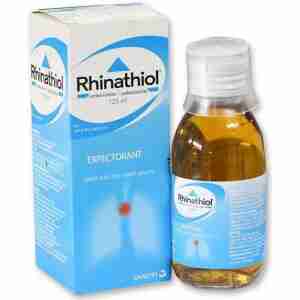
Rhinathiol Adult Syrup is a mucolytic expectorant containing 250 mg carbocisteine per 5 ml, used to relieve phlegmy coughs in conditions like bronchitis. Adults take 15 ml three times daily; it thins mucus, making it easier to expel, and may occasionally cause nausea or rash. Not suitable for children under 2 or people with ulcers or uncontrolled diabetes.
Rhinathiol Infant Syrup is an OTC mucolytic for young children containing 125 mg carbocisteine per 5 ml, designed to thin mucus and ease productive coughing. Dosage is typically 2.5 ml for infants and 5 ml for toddlers, three times daily, with mild gastrointestinal effects in some cases. It should not be used in infants under 2 months, and medical advice is recommended if symptoms persist or the child has other health concerns.
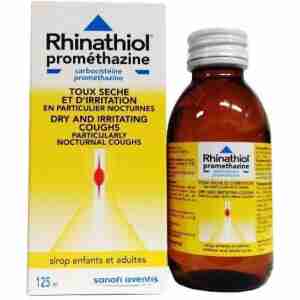
Rhinathiol Promethazine Syrup combines carbocisteine and promethazine to thin mucus and suppress nocturnal, non-productive coughs. It’s taken up to three times daily, providing both expectorant and sedative effects. Side effects include drowsiness and mild GI upset, and it’s not suitable for children under 2 or those with certain health issues.
Robb Inhaler is an OTC nasal decongestant containing menthol and eucalyptus oil, used to relieve blocked nose and breathing discomfort. It is easy to use, fast-acting, and provides temporary symptomatic relief from colds or sinus issues. Safe for most adults and older children, though overuse should be avoided.
Ronfit Cold Syrup is a children’s OTC medication for treating symptoms of colds, such as fever, runny nose, and nasal congestion. It contains paracetamol, an antihistamine, and a decongestant, and is generally well tolerated. Use the correct dose based on age and avoid combining with other cold or fever medications.
Ronfit Forte is an OTC combination tablet containing paracetamol, antihistamine, decongestant, and caffeine to ease daytime cold and flu symptoms. Recommended use is 1 tablet every 4–6 hours, maximum 4 per day, with minimal side effects like drowsiness and dry mouth. Avoid in patients with heart conditions, high blood pressure, glaucoma, or those taking multiple meds; do not exceed dosage.
Ronfit Cold & Flu Tablets combine paracetamol, pseudoephedrine, chlorpheniramine, and a small amount of caffeine to relieve fever, aches, nasal congestion, and runny nose. Adults take one tablet every six hours (max four daily) for short‑term symptom control. Avoid overdose and use cautiously in heart disease, hypertension, glaucoma, or when taking other cold remedies
Salamol is a “reliever” inhaler—it does not treat inflammation, so it is often used alongside a steroid “preventer” inhaler in long-term asthma management.
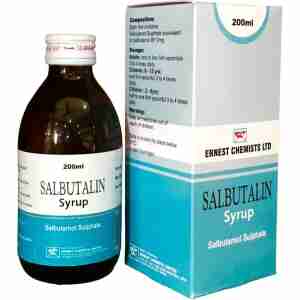
Salbutamol syrup is used to relieve asthma symptoms like wheezing and shortness of breath by relaxing airway muscles. It is commonly given to children and adults in measured doses 2–4 times daily. Possible side effects include tremors, fast heartbeat, and restlessness.
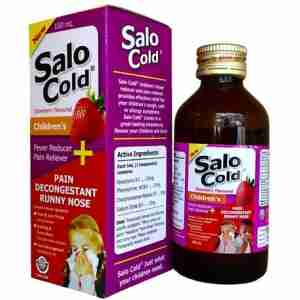
Salo Cold Syrup is used to relieve cold and flu symptoms such as fever, runny nose, nasal congestion, and sneezing. It contains paracetamol, diphenhydramine, phenylephrine, and caffeine for multi-symptom relief. May cause drowsiness or restlessness—avoid alcohol and follow prescribed dosage.
Salocold Tablet relieves cold and flu symptoms like fever, runny nose, headache, and nasal congestion. It contains paracetamol, diphenhydramine, phenylephrine, and caffeine for multi-symptom relief. May cause drowsiness or restlessness—avoid alcohol and follow dosage instructions carefully.
Samalin Junior Syrup is used to treat cough, nasal congestion, and throat irritation in children aged 6–12 years. It contains diphenhydramine and ammonium chloride to reduce coughing and loosen mucus. May cause drowsiness—follow dosage instructions and avoid giving with other cold medicines.
Samalin Syrup is used to relieve cough, chest congestion, and throat irritation in adults. It contains diphenhydramine, ammonium chloride, and menthol to loosen mucus and soothe the throat. May cause drowsiness—avoid alcohol and driving while using it.
Seretide 50/100 µg (salmeterol/fluticasone) is a prescription inhaler for asthma maintenance in adults, adolescents (12+), and children (4+), offering 50 µg salmeterol and 100 µg fluticasone per puff. It’s used twice daily to open airways and reduce inflammation, improving symptom control. Common side effects include throat irritation, headache, cough, and risk of oral thrush—always rinse after use.
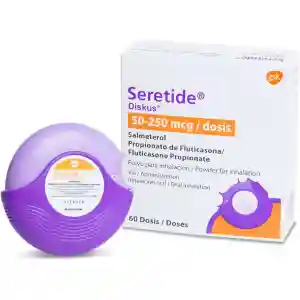
Seretide 50/250 inhaler contains salmeterol and fluticasone, used twice daily for asthma and COPD maintenance. It helps keep airways open and reduces inflammation but is not for sudden breathing attacks. Common side effects include throat irritation and oral thrush.
In order to provide you a personalized shopping experience, our site uses cookies. By continuing to use this site, you are agreeing to our cookie policy.